
Walk into any Best coffee shop in Delhi on a Tuesday morning and you’ll see the same scene playing out everywhere — someone hunched over a laptop, a pair of friends catching up over lattes, a student buried in notes with a cold brew sweating beside their textbook. Coffee didn’t just become popular. It became woven into the way we live.
That’s a strange thing when you think about it. It’s a bitter, caffeinated liquid from a bean. And yet somehow, it ended up at the center of our routines, our social lives, and for a lot of people, their sense of identity. So what actually happened?
It Was Never Really About the Coffee
The honest answer is that coffee became powerful because of everything surrounding it — not the drink itself. At some point, best coffee shop in Delhi stopped being places you went to grab a quick cup and started being places you went to feel something. Calm. Focused. Inspired. Like you were part of something creative and unhurried, even if your actual day was chaos.
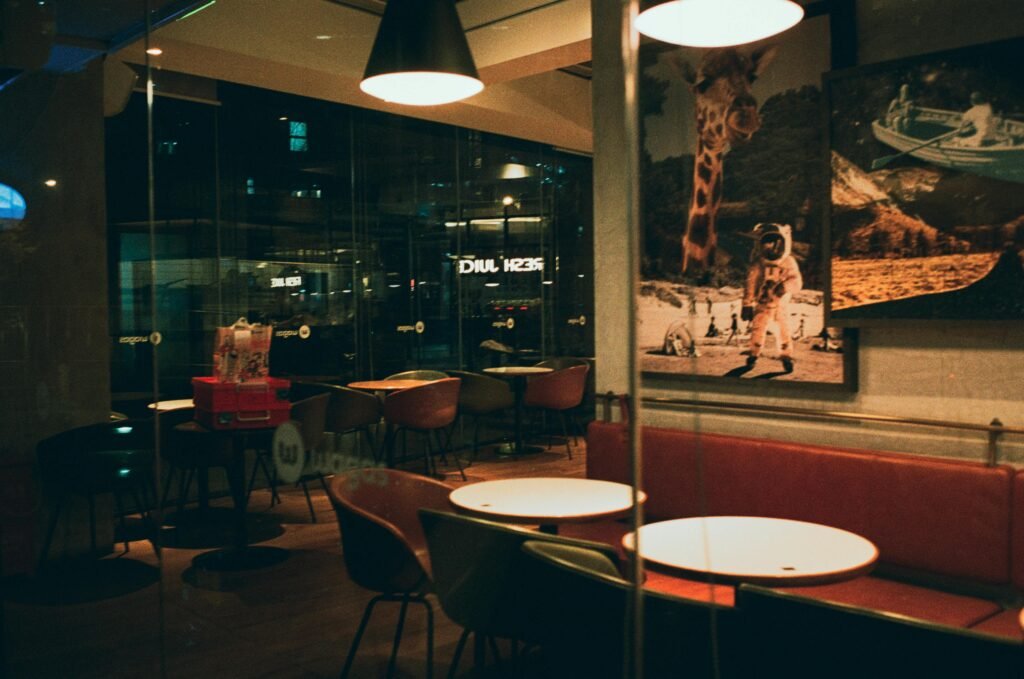
Coffee shops gave people a third space — somewhere that wasn’t home and wasn’t the office — at exactly the moment when both of those places started feeling suffocating. The atmosphere did a lot of the heavy lifting. Warm lighting, the right playlist, the smell of espresso, background noise that somehow makes it easier to concentrate than total silence. People weren’t just buying coffee. They were buying a mood in best coffee shop in Delhi.
The Emotional Side Nobody Talks About Enough
There’s a reason people say they “need” their morning coffee, and it goes beyond caffeine dependency. Routines create a sense of stability, and for a lot of people, that first cup is genuinely the most peaceful ten minutes of their day — before the emails, the notifications, the obligations.
Coffee also carries memory in a way that few things do. A best coffee shop in Delhi might remind you of a friendship you had in college, or a season of your life when everything felt possible, or a quiet winter morning that you just happened to be happy. The smell alone can pull you back somewhere. That emotional weight is a big part of why coffee culture stuck. Modern life is exhausting and overstimulating, and coffee became a small, reliable comfort in the middle of it.
Productivity, Hustle, and the Laptop-Beside-the-Latte Aesthetic
Coffee also got tangled up in work culture, and social media made that relationship impossible to ignore. The image of a laptop next to a coffee cup became almost a shorthand for ambition — a visual signal that you were the kind of person who was doing things, creating, grinding, building something.
best coffee shop in Delhi leaned into it. Charging ports, fast Wi-Fi, long communal tables — coffee shops essentially became co-working spaces that charge by the cup. For freelancers, remote workers, and students, they became genuine offices. There’s something to critique there, honestly. Hustle culture romanticized exhaustion, and coffee became part of that story — the thing that keeps you going when you probably should just sleep. Caffeine doesn’t fix burnout. It just delays the crash. But the association between coffee and productivity got so deeply embedded that questioning it feels almost countercultural especially in best coffee shop in Delhi.
How It Spread Globally as best coffee shop in delhi
Different places built coffee culture in completely different ways. In Italy, you drink espresso standing in best coffee shop in Delhi in two minutes flat — it’s functional, traditional, and deeply social without being precious about it. In France, sitting at a café for two hours over a single coffee isn’t rude; it’s the whole point. South Korean café culture is arguably the most aesthetically driven in the world — some Seoul coffee shops are basically art installations that happen to serve drinks.
In countries like India, café culture is still relatively new but growing fast among younger generations. For a lot of students and young professionals, coffee shops have become the default place to study, work remotely, have a first date, or just get out of a crowded house for a few hours. The drink is the same everywhere. The culture around it is completely different.
The Specialty Coffee Shift
Something else changed too — people started actually caring about what was in their cup. A generation ago, coffee was coffee. Now people talk about single-origin beans, roast profiles, extraction ratios, and flavor notes like “bright acidity with a hint of cherry.” Cold brew, pour-over, flat white, cortado — the vocabulary alone expanded dramatically.
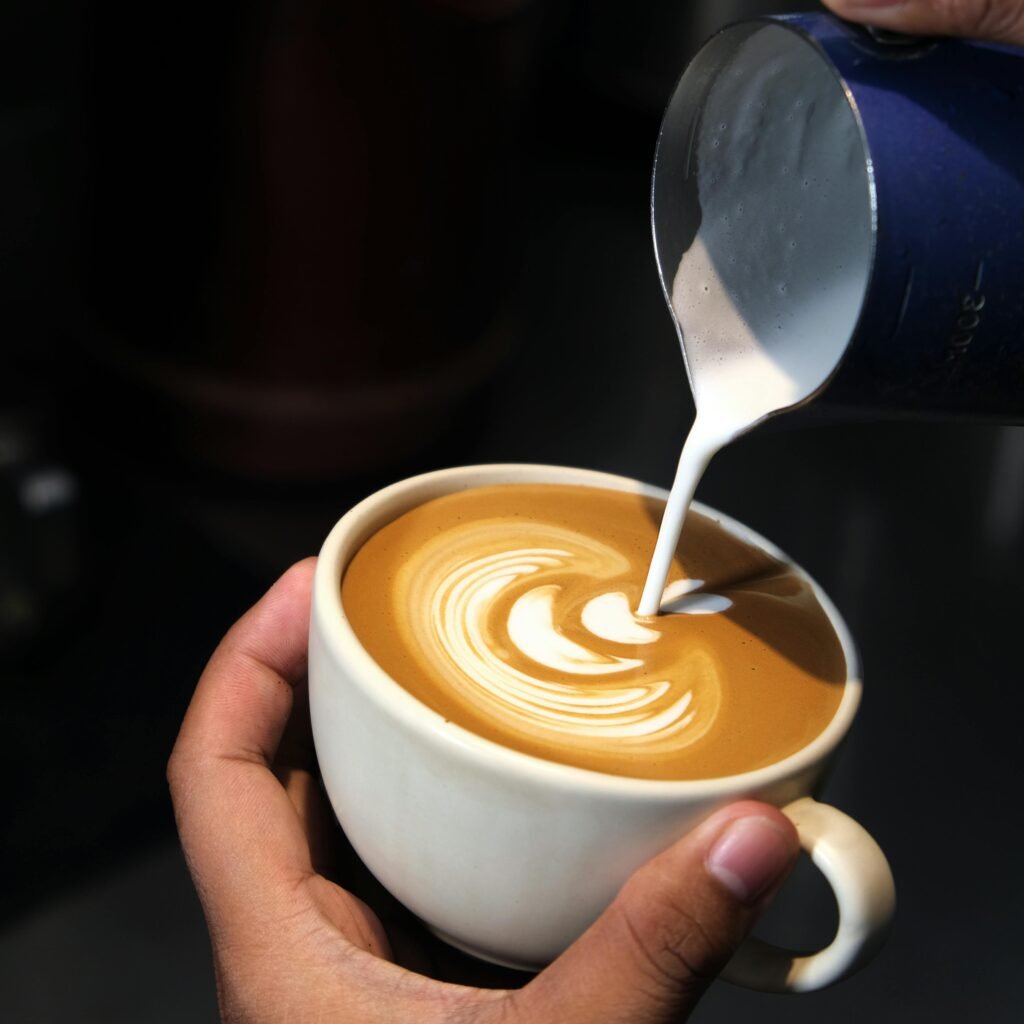
This wasn’t just snobbery (though some of it was). It was genuinely people discovering that coffee has enormous range and complexity when you pay attention to it. Personalization followed naturally — oat milk, specific roast strengths, sugar-free syrups, extra shots. Coffee became a small daily thing you could tailor entirely to yourself in best coffee shop in Delhi, which turned it into a quiet form of self-expression.
The Performative Side of best coffee shop in delhi
It’s worth being honest about the less flattering parts too. Some coffee culture is just performance. The aesthetically curated café photo, the expensive home espresso setup displayed on Instagram, the “morning routine” video where coffee is a prop in someone’s personal brand — it can start to feel hollow. When the point is being seen having the experience rather than actually having it, something gets lost.
There’s also a financial reality. Specialty coffee is expensive, and a culture built around daily café visits is inaccessible for a lot of people. When “treating yourself” becomes the norm, the bar for what counts as simple enjoyment gets quietly raised.
Why best coffee shop in delhi Keeps Growing
Despite all of that, coffee culture isn’t going anywhere — because it genuinely delivers something people need. Comfort. A reason to leave the house. A conversation starter. A ritual that marks the beginning of a day. A space that feels neither too formal nor too casual.
best coffee shop in Delhi grew because it found a way to give people all of these things wrapped around a drink they were already consuming. At its best, it’s simple: a good cup, a quiet corner, and a moment to breathe before the day takes over. That’s not a lifestyle trend. That’s just a very human thing to want.